The Best 10 Drummers of All Time, Ruling the Industry
11 February 2026
Let’s take a deep dive into the drummers who shaped music history. This blog celebrates drumming groove and the artists’ influence over flash and solos.

Bruce Springsteen once summed up Max Weinberg perfectly, saying, “I ask, and he delivers for me night after night.” It is the kind of praise drummers rarely get, even though they give music its backbone and shape from behind the kit. They drive songs forward, hold bands together, and often define the feel of an entire track without stepping into the spotlight. So this list is about giving drummers their due. For our 10 best drummers of all time, we focused on taste and musical instinct over flashy solos. This blog honors players who served the song first and made great music unforgettable.
-
John Bonham
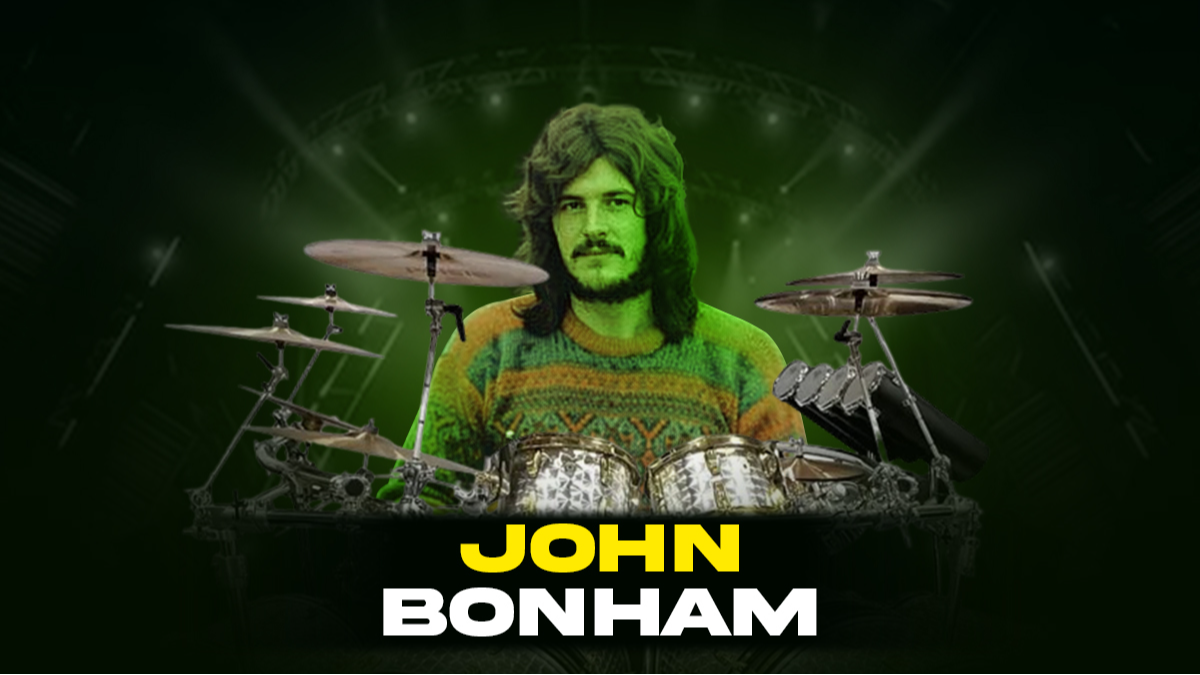
Music groups - Led Zeppelin (1968 - 1980), Band of Joy (1967 - 1968)
From the opening seconds of Led Zeppelin’s debut, John Bonham rewrote what rock drumming could sound like. His work on ‘Good Times Bad Times’ stunned listeners. Many were convinced that he was using two bass drums, even though he only had one. Heavy yet fluid, powerful yet precise, Bonham carved out a style that felt both primal and deeply musical. He never overplayed, even at his most explosive, and his live performances on Moby Dick became pure showcases of control and feel. Dave Grohl once said he spent years studying Bonham’s swagger and instinct, and we understand why. Nearly every rock drummer since has followed that path in some form, chasing their own version of his groove.
-
Keith Moon
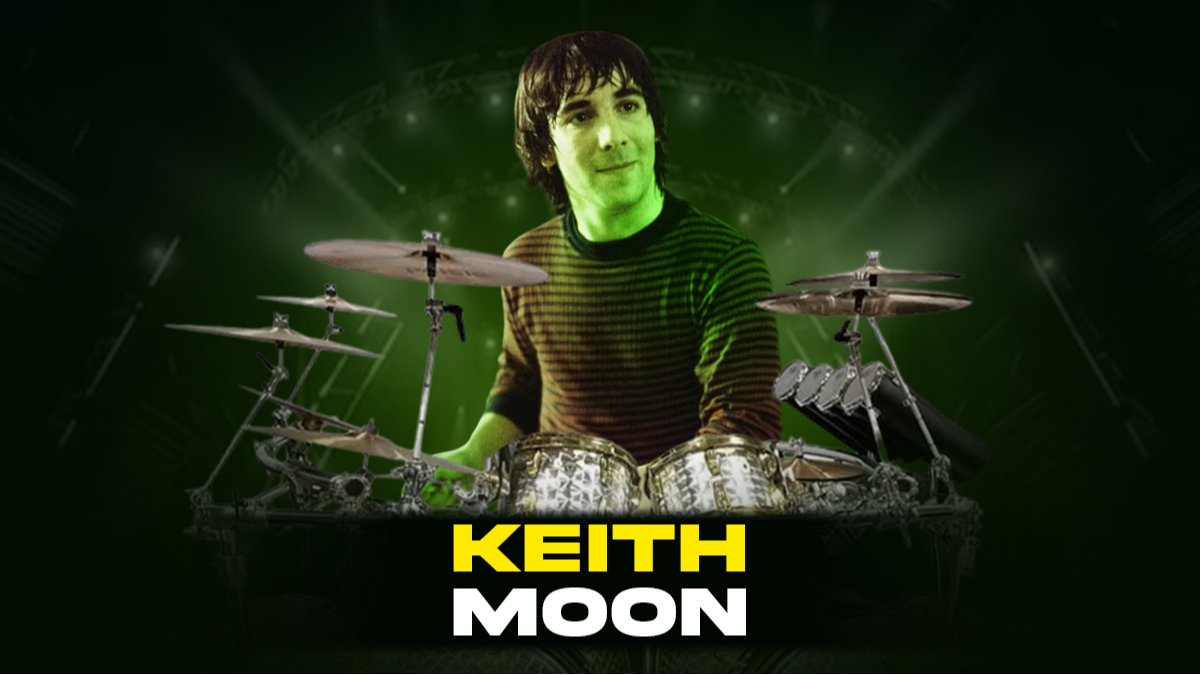
Music group: The Who, Plastic Ono Band (1969 - 1969)
Keith Moon hated routine in drumming as well as in his life, and it showed every time he sat behind a kit. He treated drums like The Who’s lead instrument, refusing solos while filling songs with melodic yet chaotic breaks. John Entwistle once said Moon tried to play with everyone at once, which explains his wild and unpredictable style. His energy on stage and records felt closer to performance art than traditional rock drumming. It was complete with smashed kits and legendary antics. Stephen Perkins later compared his playing to orchestral percussion, full of drama and emotion. Moon’s sense of theater reshaped what drummers could be, leaving a legacy that still is untamed and impossible to copy.
-
Ginger Baker
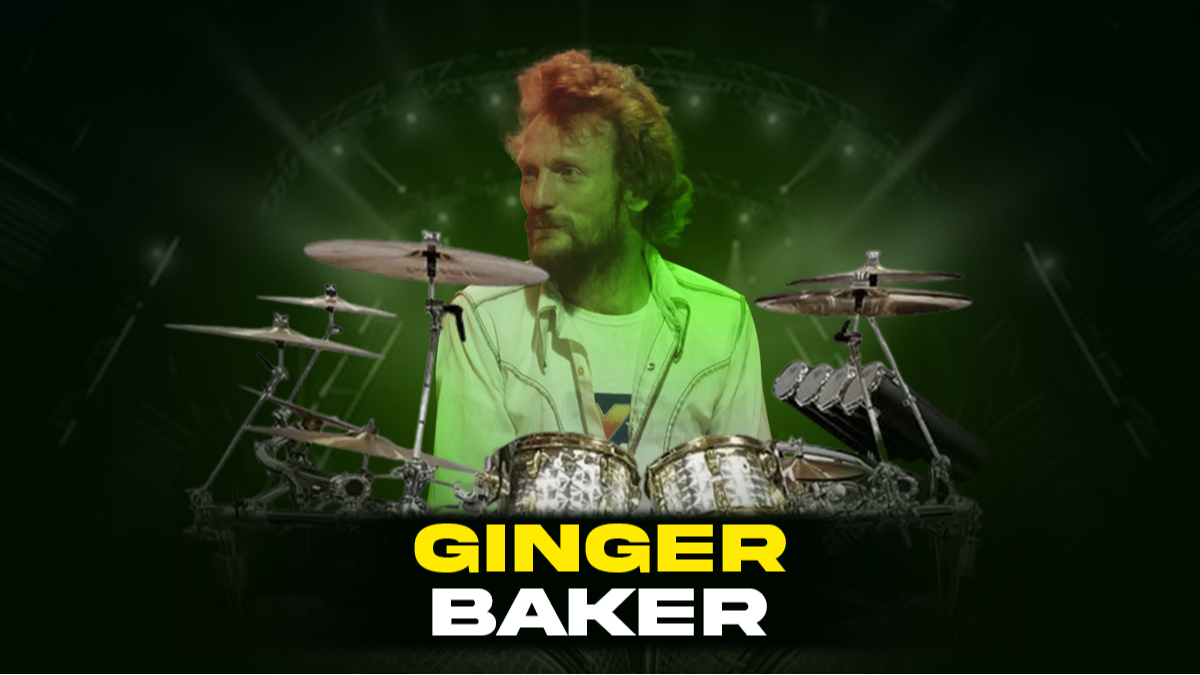
Music groups: Cream (1966–1968, 1993, 2005), Blind Faith (1969), The Graham Bond Organisation (1963–1965), Ginger Baker's Air Force (1970–1971), Baker Gurvitz Army (1974–1976), BBM (1993–1994), and The Ginger Baker Trio (1990s).
Ginger Baker brought jazz chops and a fierce edge to rock drumming, shaping the sound of Cream and redefining what power trios could be. His double kick style and extended solos, along with explosive presence, made him one of the first true drum showmen, even as clashes with Jack Bruce and Eric Clapton fueled constant tension. After Blind Faith ended, Baker moved to Nigeria, where he deepened his connection to African rhythms. Tony Allen once said Baker understood the African beat better than any Western drummer. Over the years, he stayed creatively restless, moving through jazz projects, Baker Gurvitz Army, and collaborations with artists like Public Image Ltd and Masters of Reality, always pushing rhythm forward.
-
Neil Peart
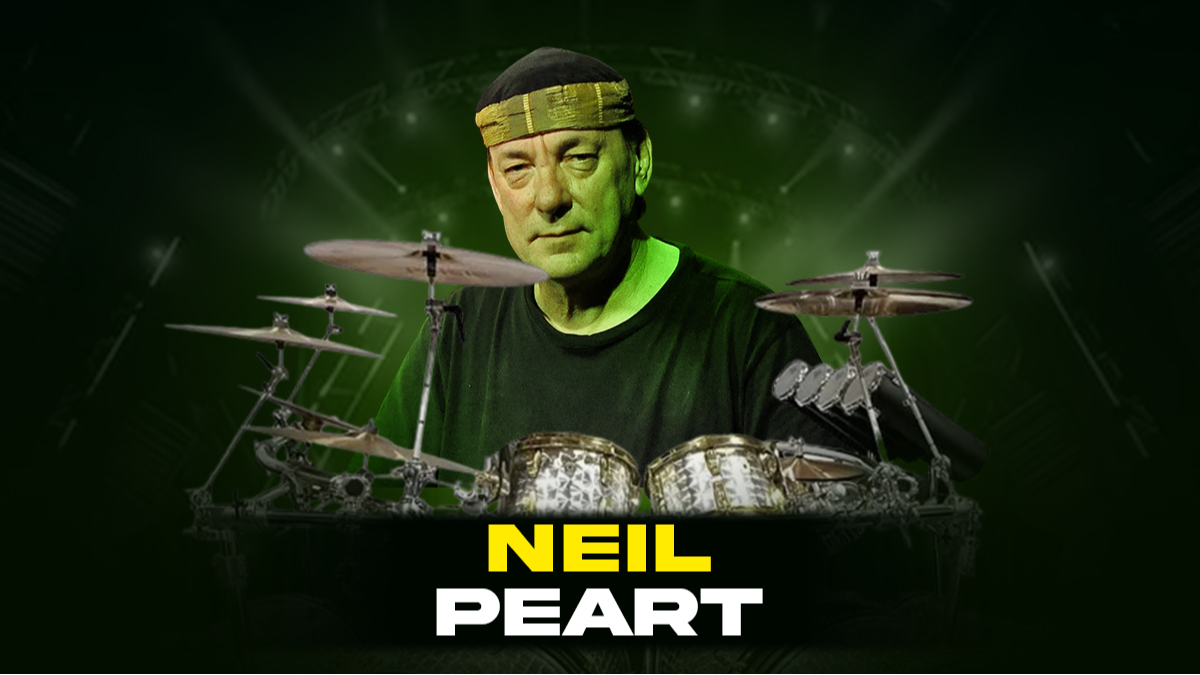
Music group: RUSH (1974 - 2015)
When Neil Peart auditioned for Rush in 1974, his bandmates heard flashes of Keith Moon in his powerful and energetic style. What followed was something very different. Peart became rock’s master of precision, building some of the most detailed and carefully structured drumming the genre has ever heard. As Rush leaned deeper into prog, he expanded his kit with orchestra bells, temple blocks, and timpani, shaping epic tracks like Xanadu and The Trees. In the Eighties, his playing streamlined and added electronic textures and pop influence. Even after retiring from touring, Peart remains one of rock’s most revered drummers, famous for solos that felt both technical and thrilling.
-
Hal Blaine
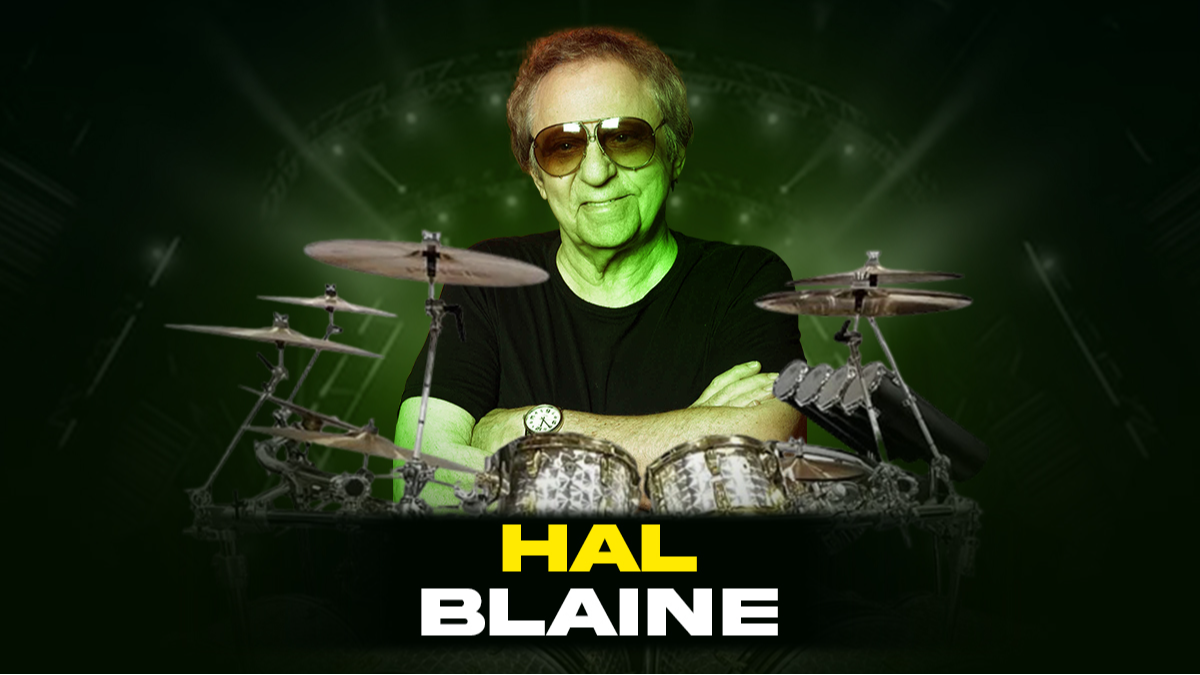
Music groups: The Wrecking Crew, The Marketts, The T-Bones, The Routers
“If Hal Blaine had played drums only on the Ronettes’ Be My Baby, his name would still be spoken with reverence,” Max Weinberg once said. In reality, that barely scratches the surface! Born Harold Simon Belsky, Blaine recorded with everyone from Sinatra and Elvis to the Beach Boys and the Spremes. As the leader of the Wrecking Crew, he became the most recorded drummer in history, with tens of thousands of tracks and countless hits. He helped define Phil Spector’s Wall of Sound and could adapt to any session. He once used water jugs on Caroline, No, and tire chains on Bridge Over Troubled Water. “I’m not a flashy drummer,” he said. “I wanted to be a great accompanist.” It is safe to say that the mission was accomplished.
-
Clyde Stubblefield and John “Jabo” Starks
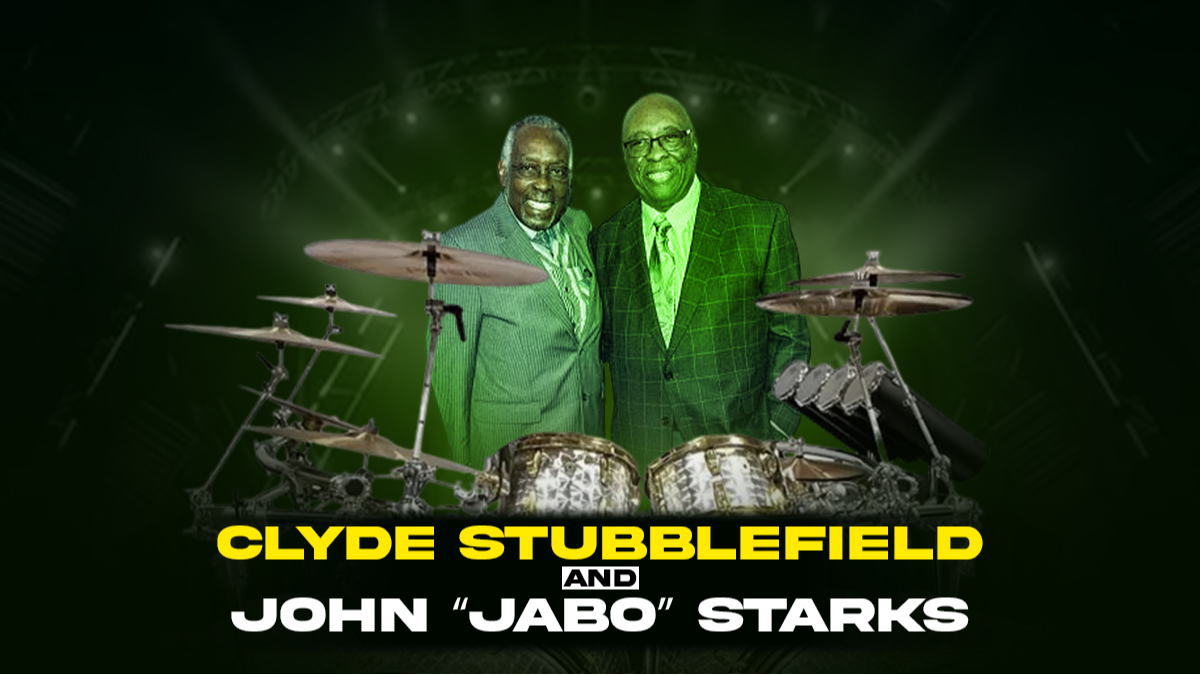
Music group of Clyde Stubblefield: The J.B.'s (1970 - 1970)
Music group of John “Jabo” Starks: The Funkmasters (1959–1965), The J.B.'s (1965 - 1976)
At the peak of James Brown’s rhythmic revolution, his sound was powered by two very different drummers: John Jabo Starks and Clyde Stubblefield. Starks came from jazz and blues, while Stubblefield brought deep R and B roots, and together they created something unstoppable. Questlove once said Starks was the Beatles to Clyde’s Stones, clean and steady beside loose and explosive. Their partnership shaped classics like Cold Sweat, Super Bad, and Funky Drummer, tracks that redefined groove in popular music. Those same beats later became the backbone of hip hop’s Golden Era, proving their influence reached far beyond funk and soul.
-
Gene Krupa
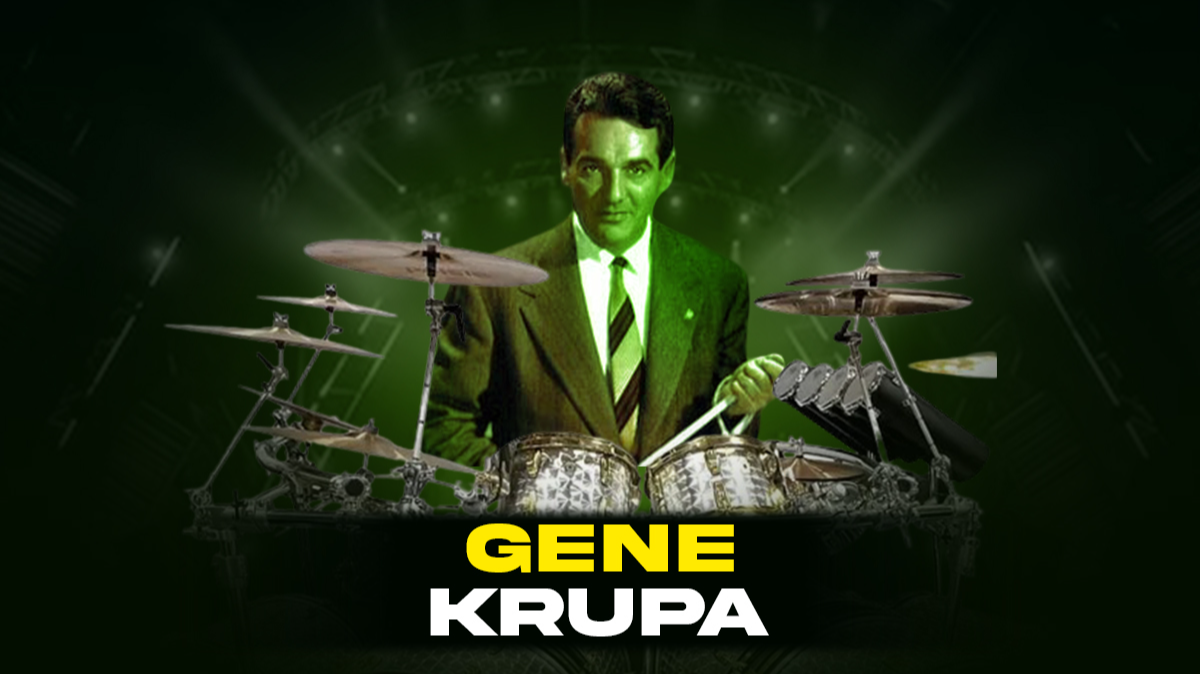
“He was the first rock drummer in many ways,” Neil Peart once said about Gene Krupa, and it is easy to hear why! Krupa was the first drummer to truly command the spotlight, turning simple patterns into moments of spectacle. His powerful attack, along with the steady bass drum pulse and swinging cowbell work, helped push Benny Goodman’s band to new heights. Along with Buddy Rich, he turned the drum battles into must-see events. His influence surpassed the genre of jazz, inspiring players like Keith Moon and John Bonham. The idea of the drummer as a star attraction, from Moby Dick to modern arena solos, traces straight back to Krupa.
-
Mitch Mitchell
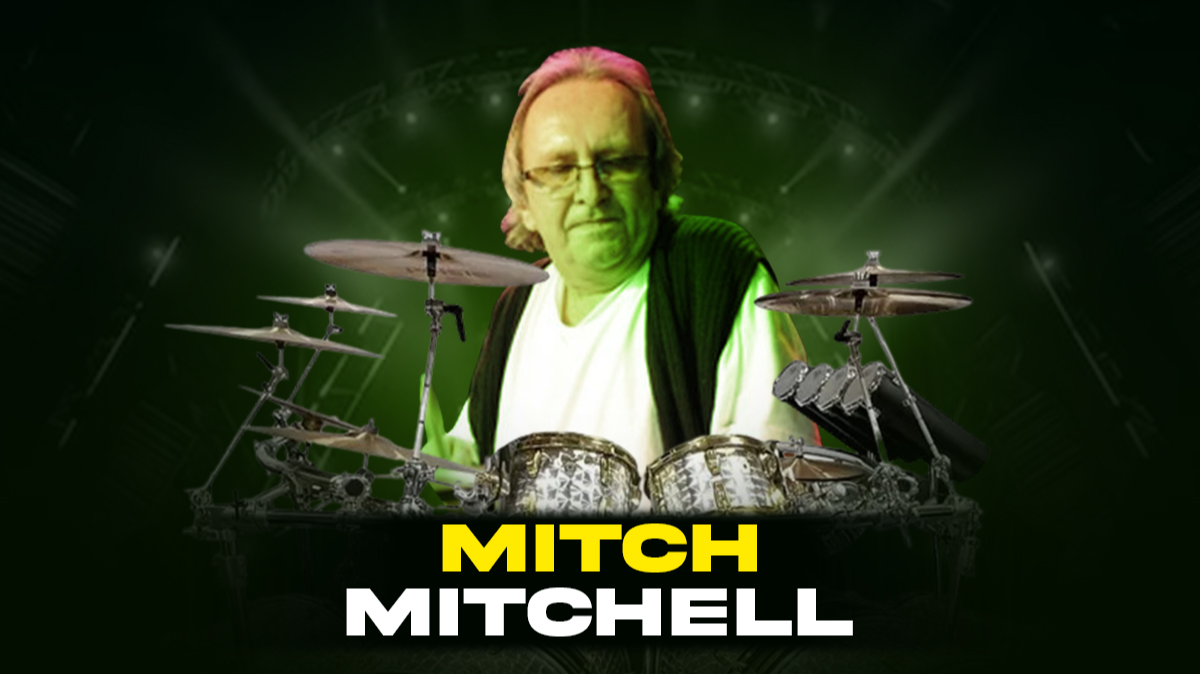
Music groups: The Dirty Mac (1968), Ramatam (1972), Georgie Fame and the Blue Flames (1965–1966), and The Jimi Hendrix Experience (1966–1969, 1970).
“He played the kit like a song,” Roger Taylor once said of Mitch Mitchell, praising his mix of jazz skill and fierce attack. Stewart Copeland later admitted that much of his own style came straight from Mitchell. In 1966, Mitchell landed the Jimi Hendrix Experience gig after a coin toss, beating out Aynsley Dunbar. What followed was drumming that felt loose yet controlled, building heavy grooves before breaking into fluid counterlines to Hendrix’s guitar. His style brought jazz freedom into rock power trios and helped define that band’s explosive sound.
-
Al Jackson Jr.
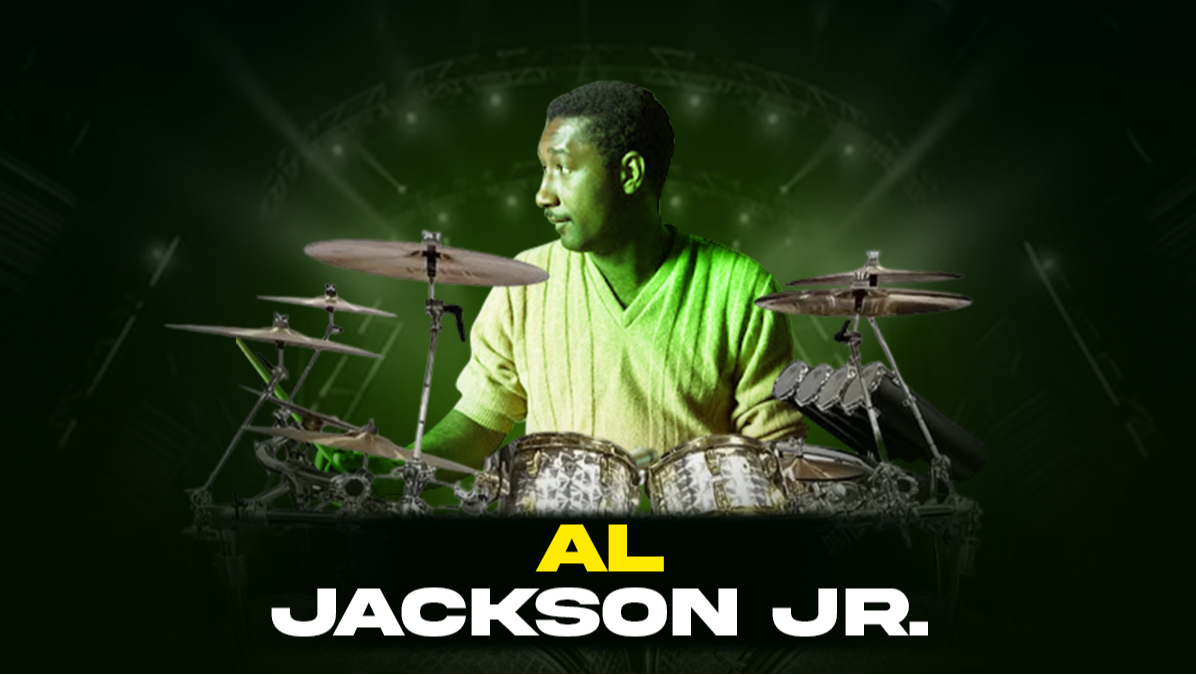
Music group: Booker T. & the M.G.'s (1962 – 1975), The Mar-Keys (1962 – 1971), Hi Rhythm Section (1975)
Al Jackson Jr. was the legendary Stax session drummer who earned the nickname “the Human Timekeeper” for his flawless sense of groove. His crisp yet swinging style powered classics by Otis Redding, Wilson Pickett, and Al Green, including ‘Let’s Stay Together’, which he co-wrote. As his reputation grew, artists like Eric Clapton sought him out for his precision and the ability to evoke emotions. As a founding member of Booker T. and the MGs, Jackson helped shape the rhythmic language of funk and hip hop. Sam Moore once said that Jackson belonged in a class of his own, praising his rare ability to make any song feel better just by sitting behind the kit.
-
Stewart Copeland
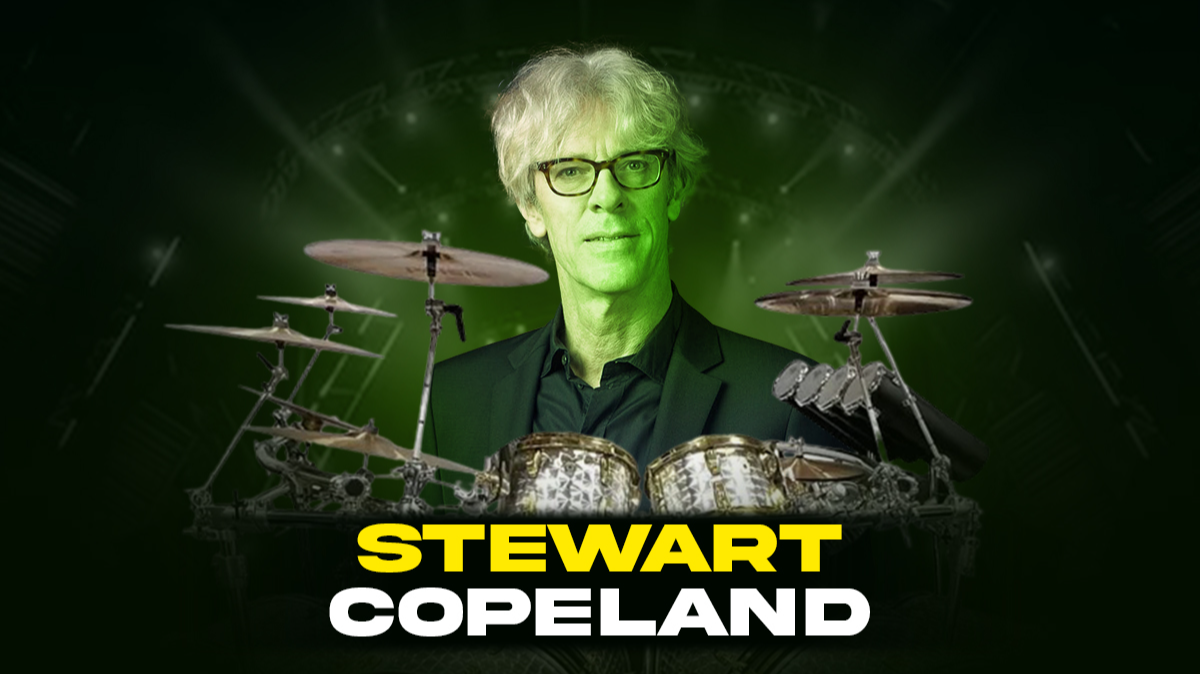
Music groups: The Police (1977–1986, 2007–2008), Curved Air (1975–1976), Animal Logic (1989), Oysterhead (2000s), and Gizmodrome (2017).
Sting’s melodies may be everywhere, but the Police sound the way they do because of Stewart Copeland. His drumming thrives on space, tension, and sudden bursts of aggression, with bright snare hits and intricate hi-hat patterns that cut through every track. Growing up across the Middle East gave him rhythmic instincts far from typical British rock, and that influence shaped the band’s identity. Even amid constant clashes, Sting once said that their first record was a tribute to Copeland’s energy. Les Claypool later noted that Copeland’s sound lives in his hands, not his gear, which proves his attack and feel are what truly define him.